
What Office Workers Want
2022-02-21
Many workers might have enjoyed the extra time at home initially, the truth of the matter has emerged following the initial shock: the workplace is undergoing change, yes, but its relevance and centrality to the success of an organization remains.
There is no shortage of debate, opinion, and study around what will have staying power following the pandemic. And while no one can definitively predict the final outcomes, we can begin to carve the path forward by centering the current mindset of workers.
So, what role should office buildings play in supporting workers as they return, and what can they offer that will motivate workers to consistently choose to utilize the building in a new era of freedom and mobility? Buildings with the right answers to these questions will emerge as unique and sought-after real estate assets to both owners and tenants; their long-term values will positively impact real estate portfolios and human capital.
As individual expectations of flexibility ladder up to the organizational level, tenants need the building’s support in embracing the unknown. We know that companies will need to reduce and increase footprint more fluidly. They might adopt new forms of agile working that will result in alternative real estate utilization strategies. Ownership can support this expected fluidity by offering flexible space types and lease terms where the tenant can commit to the building while also flexing as needed to meet shifting needs over the course of their commitments.
There is no shortage of debate, opinion, and study around what will have staying power following the pandemic. And while no one can definitively predict the final outcomes, we can begin to carve the path forward by centering the current mindset of workers.
So, what role should office buildings play in supporting workers as they return, and what can they offer that will motivate workers to consistently choose to utilize the building in a new era of freedom and mobility? Buildings with the right answers to these questions will emerge as unique and sought-after real estate assets to both owners and tenants; their long-term values will positively impact real estate portfolios and human capital.
As individual expectations of flexibility ladder up to the organizational level, tenants need the building’s support in embracing the unknown. We know that companies will need to reduce and increase footprint more fluidly. They might adopt new forms of agile working that will result in alternative real estate utilization strategies. Ownership can support this expected fluidity by offering flexible space types and lease terms where the tenant can commit to the building while also flexing as needed to meet shifting needs over the course of their commitments.
 Explore A New Workspace
  Extended Workspace
  2017 Guangzhou International Furniture Exhibition
 - 2018 Guangzhou International Furniture Exhibition
- 2019 Guangzhou International Furniture Exhibition
- 2021 Guangzhou International Furniture Exhibition
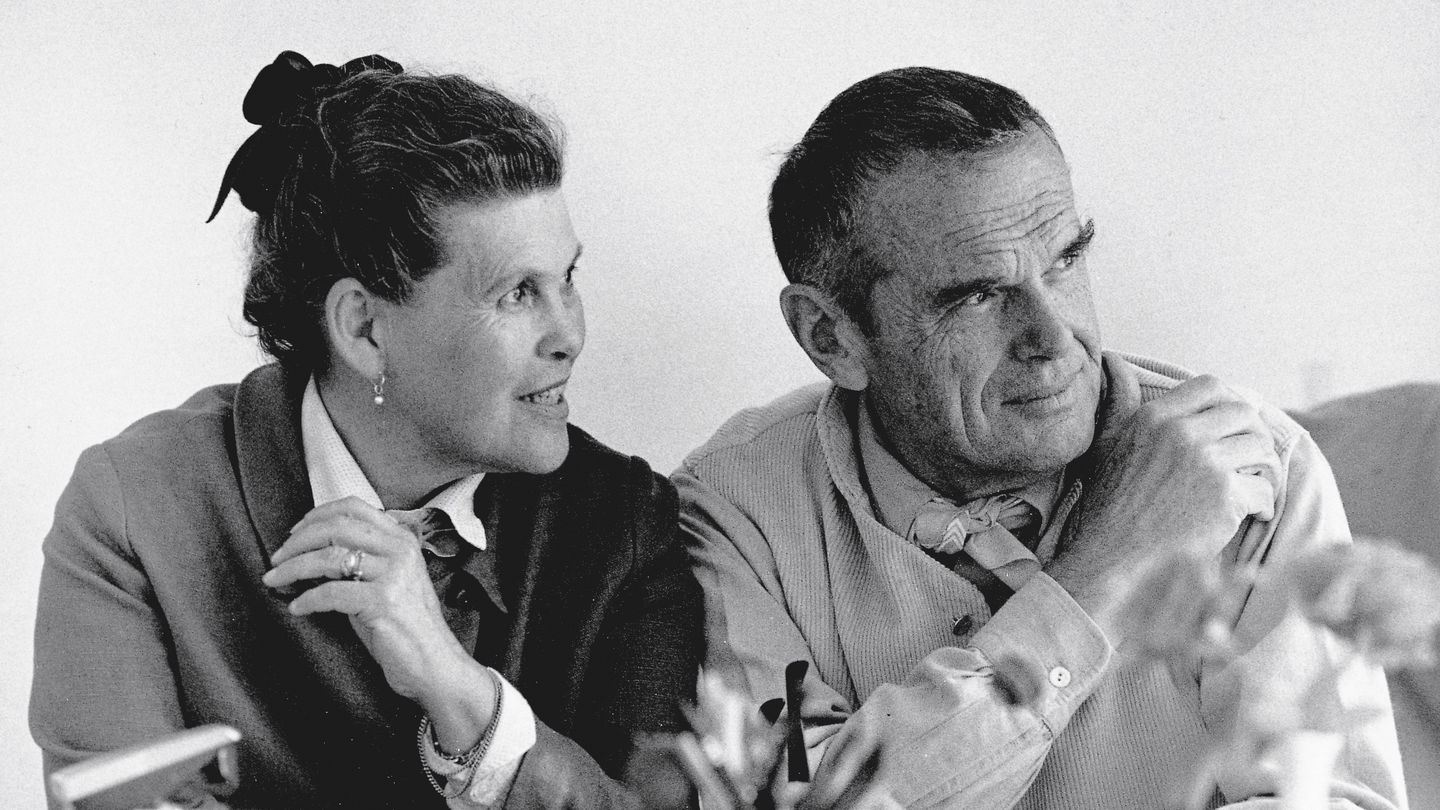 Essential Charles & Ray Eames
 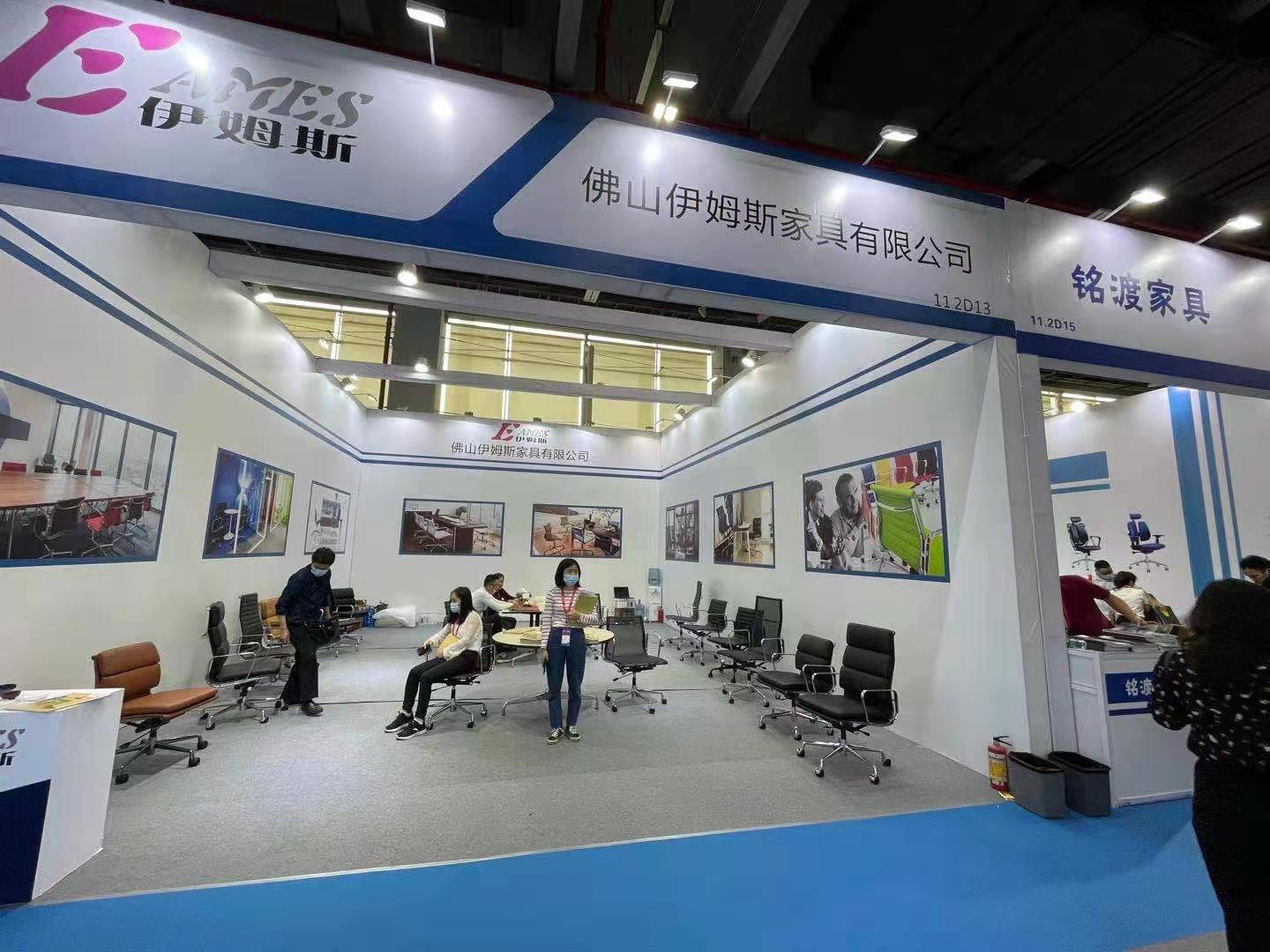 Eames furniture at CIFF 2021
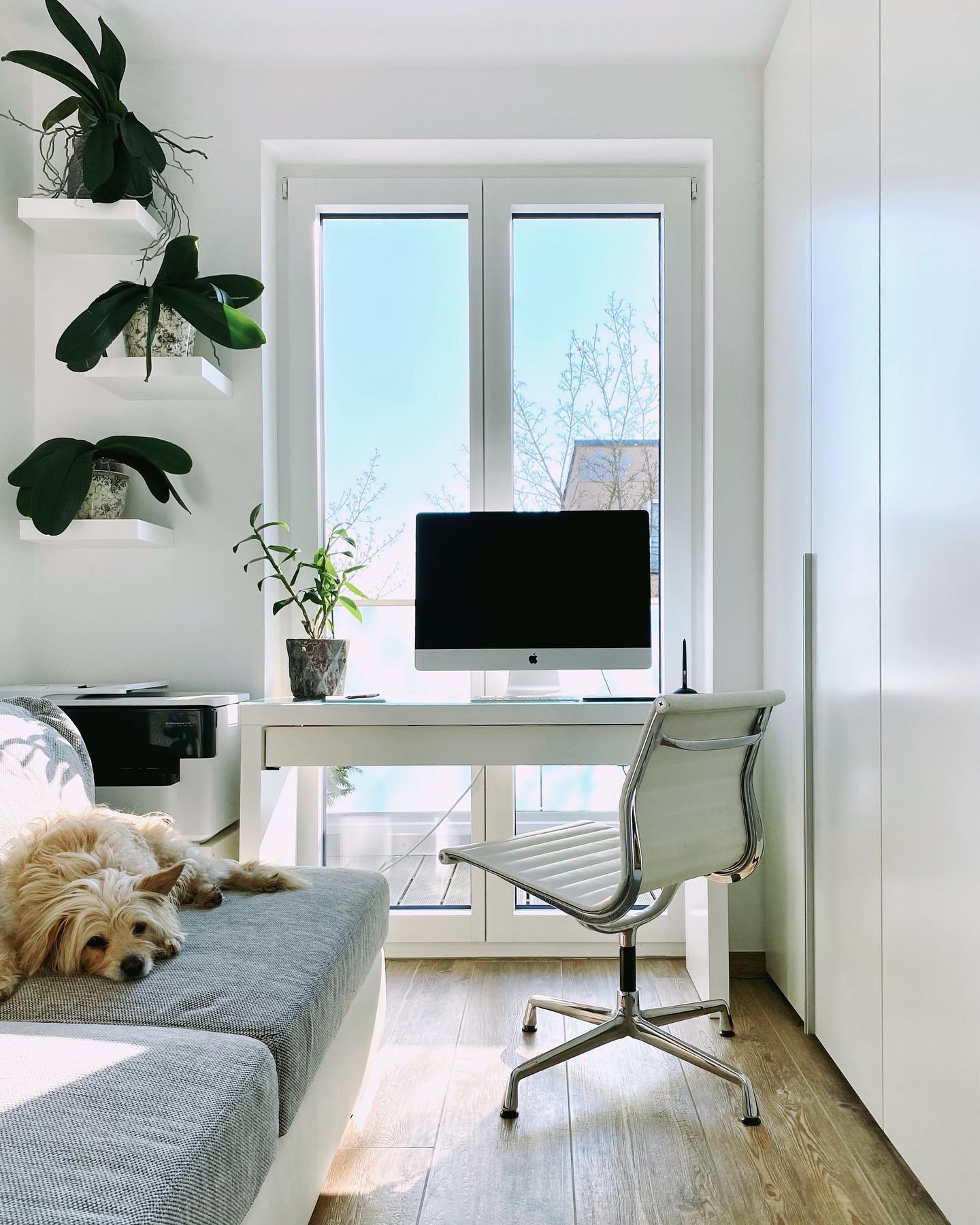
 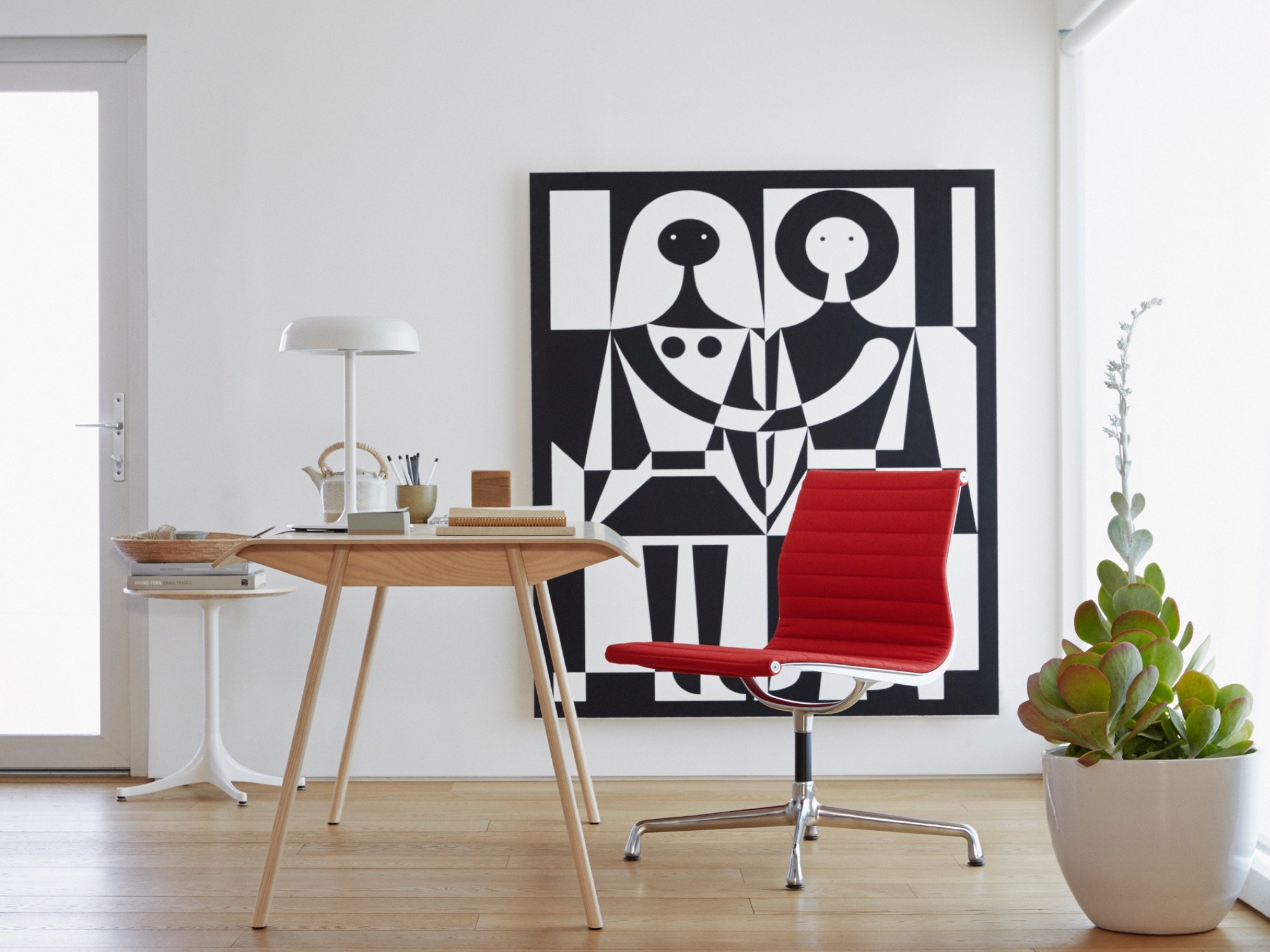 Working from home during the pandemic